The Hidden Wounds Behind Compulsive Sexual Behavior: What Trauma-Informed Therapists Want You to Know
Guest post by Bill & Eileen Fagan, MS, NCC, LPC, CCTP, CSAT, Pure Desire Ministries International
When couples or individuals come to us for help with unwanted sexual behavior, they are often surprised that we ask questions about childhood - how and where they grew up, siblings, school experiences, and the like. What they - and many others - aren’t always able to see is the link between childhood wounds and problematic sexual issues.
Table of Contents
- The Staggering Link Between Childhood Abuse and Compulsive Sexual Behavior
- Why Treating Addiction Without Treating Trauma Rarely Works
- Did Your Childhood Look Like This? 6 Missing Secrets To A Healthy Childhood
- How Past Trauma Hurts Your Current Relationships
- How To Pursue Real Recovery from Trauma
- About Bill and Eileen Fagan
The Staggering Link Between Childhood Abuse and Compulsive Sexual Behavior
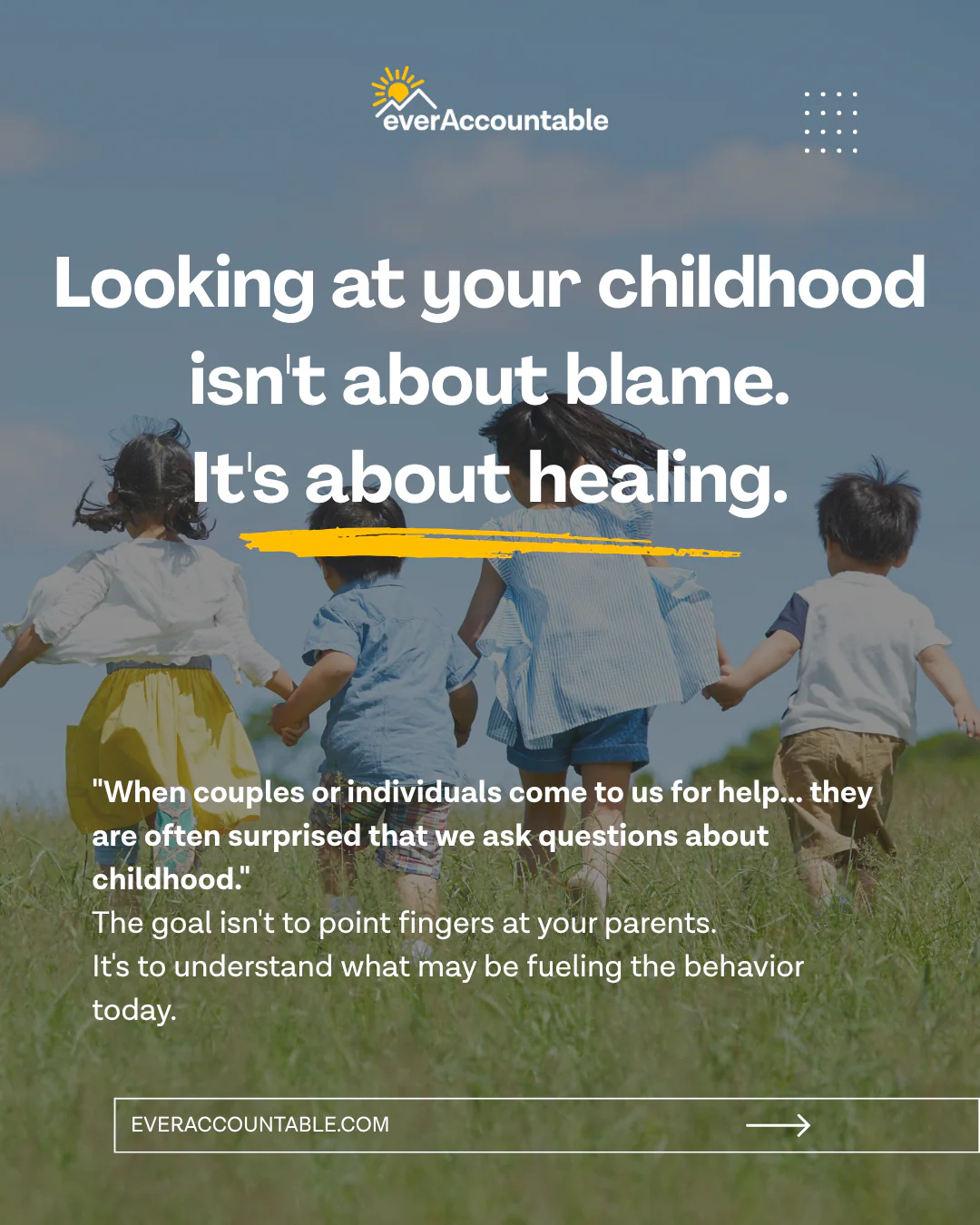
This is difficult ground to tread for many people, particularly when they look back and cannot see gross abuse and feel their childhood was “normal.” In addition, some people feel fiercely protective of their childhood and parents, feeling that it would be disrespectful or dishonorable to “blame” their parents or others for their current sexual struggles. The purpose of looking back at what might have been painful is not to point fingers or harbor resentment, but to uncover what might be contributing to the behavior.
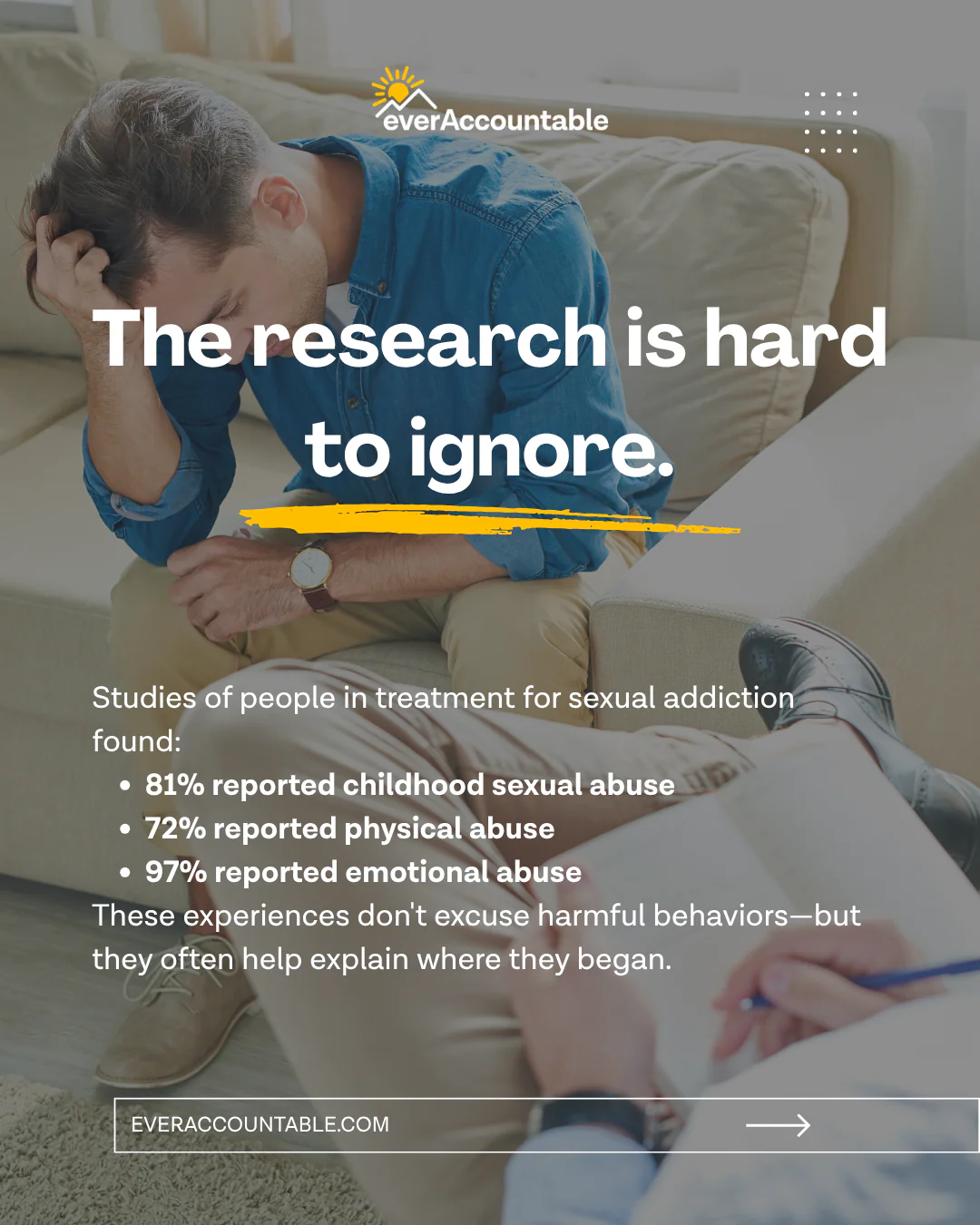
In her research with men and women in treatment for sexual addictions, Marnie Feree discovered a common trend: 81% of those surveyed reported childhood sexual abuse, 72% reported physical abuse, and an astounding 97% reported emotional abuse. This is consistent with the hundreds of people that we have worked with over the years.
Why Treating Addiction Without Treating Trauma Rarely Works
The problem with treating the behavior without looking at the issues that might be driving it is equivalent to clipping a weed at the surface without digging up the root. Until we understand how the “then and there” is affecting the “here and now,” the behavior will either eventually return at some point, or it will re-emerge as a different coping behavior.
When my (Eileen’s) parents quit smoking when I was a teenager, they gained weight because they turned to food to cope instead of cigarettes. This is a common phenomenon among addictive behaviors. The term “dry drunk” has been used to describe a person who is abstinent from drinking but is difficult to be with due to the lack of repair with deeper issues that may have contributed to the addiction. While my father (Bill) was never a “dry drunk” he also never got to the root of his trauma. He was often depressed, sullen, and disconnected from our family. However, when he was drinking he would consistently tell and retell the stories of his broken childhood: a mother who deserted him to spend his early years with his aging grandmother, and after her death, his experiences of living an abandoned life in an orphanage. While he was willing to talk about these elements of his youth over and over when intoxicated, he was never willing (or able) to do any of the deeper trauma work that wounded his young heart in the first place. Sadly then, he never found health or healing. Those of us who lived with him were destined to suffer the consequences that come from having a disconnected father and a highly distracted mother.
When looking at compulsive sexual behavior, it may be helpful to look beyond the behavior to the need it might be serving. For example, the HALT acronym (Hungry, Angry, Lonely, Tired) has been used in addiction circles for years to look at the relationship between sexual acting out and our needs. In the case of emotional needs, we are invited to look more deeply at the “why” of our sexual behaviors, not in a condemning way, but with a kind and compassionate stance.
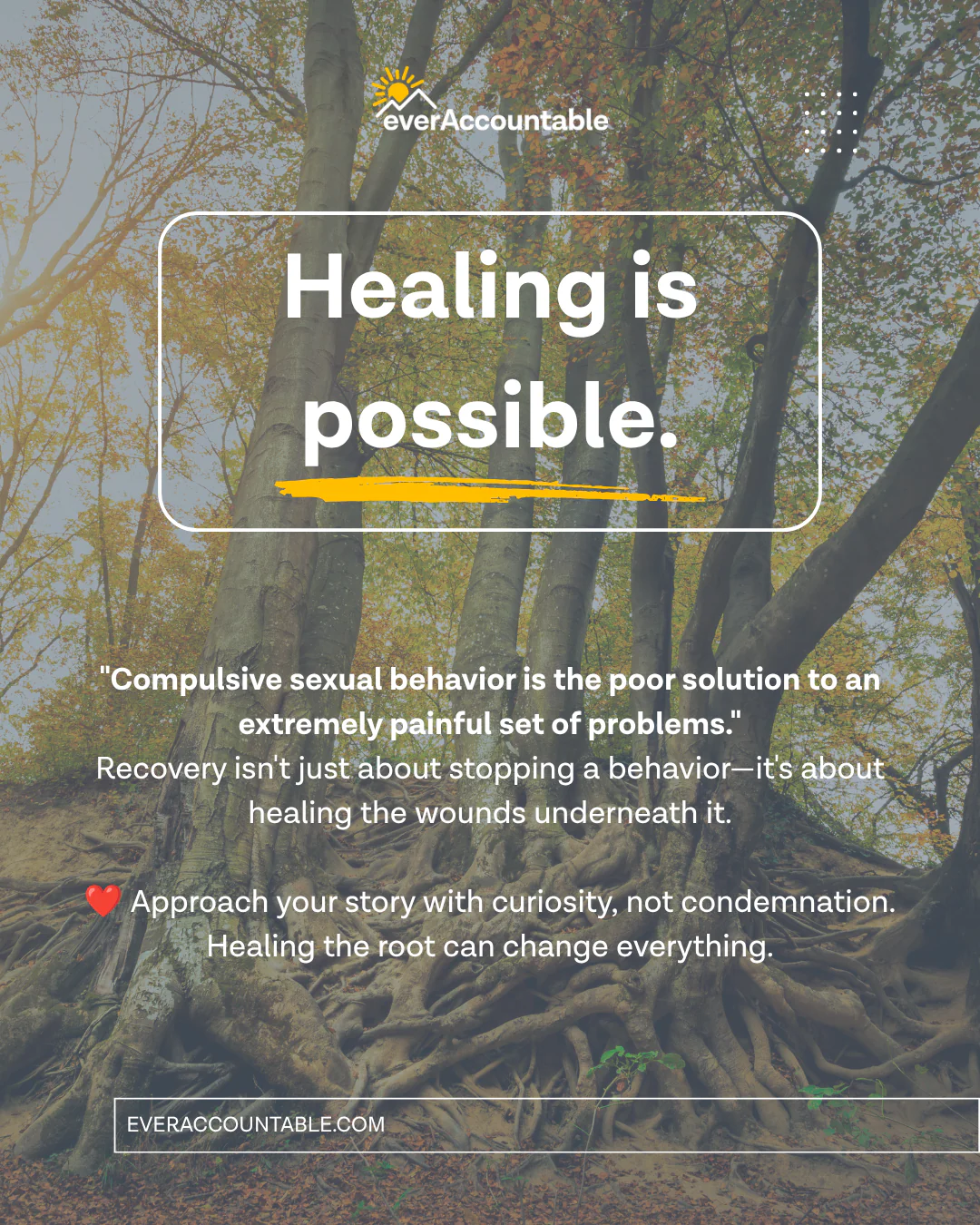
In his book Unwanted, Jay Stringer says, “Jesus’ invitation to go to him when we are weary and heavy laden is for our sexual failures, but even more so for the trauma beneath those failures. God looks beyond the outward appearance of unwanted sexual behavior and into the heart of what is driving men and women into captivity.” To say this another way, the root is trauma. Compulsive sexual behavior is the learned coping response. Or seen another way, compulsive sexual behavior is the poor solution to an extremely painful set of problems.
Did Your Childhood Look Like This? 6 Missing Secrets To A Healthy Childhood
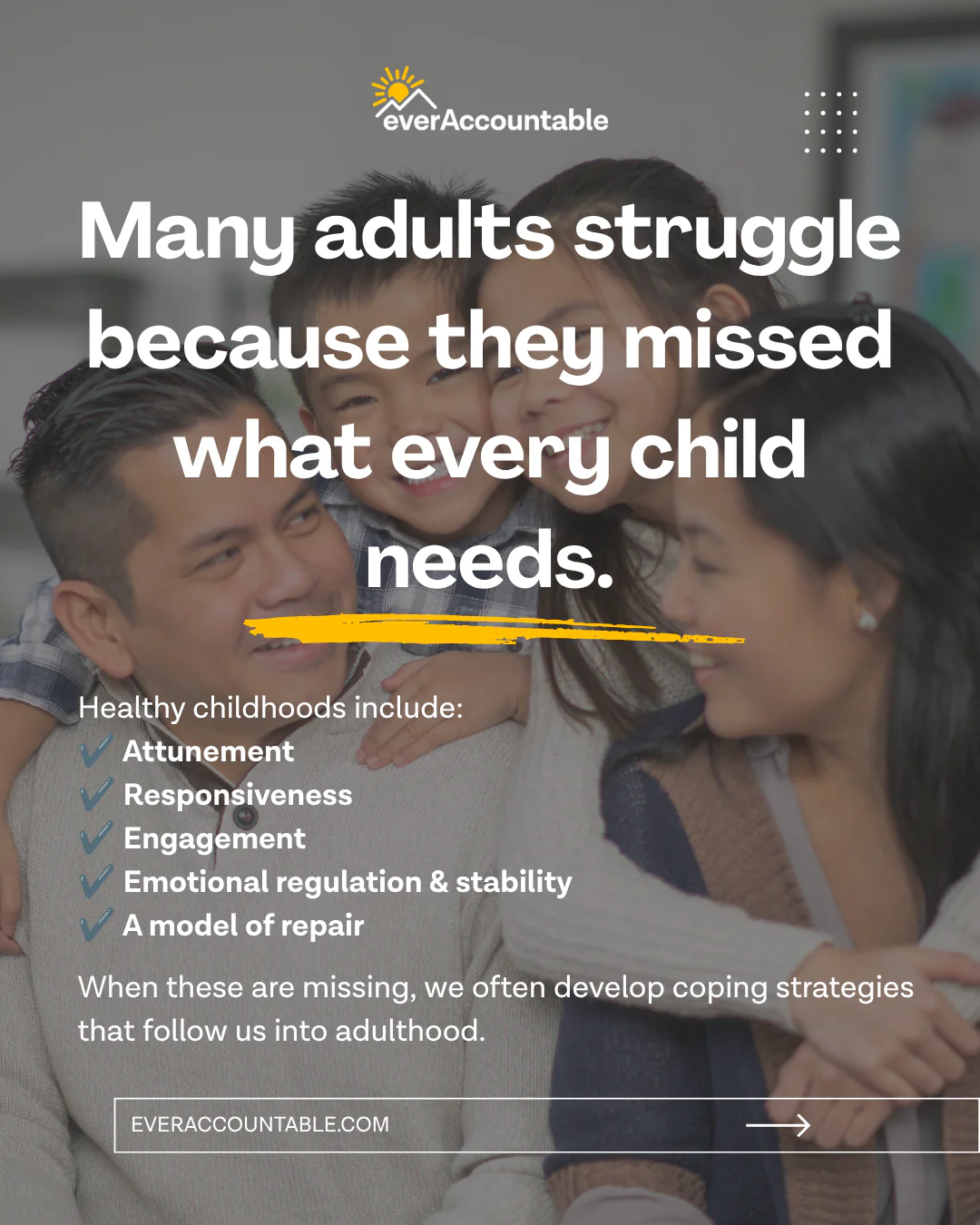
Adam Young has identified six things we all needed from our parents. He calls these “The Big Six”. Here’s what he suggests every child needs to experience.
- Attunement: having parents who knew what they were feeling
- Responsiveness: parents who were able to offer comfort, care, and kindness when they noticed we were in some sort of pain
- Engagement: parents with an internal intention and genuine desire to know us
- Emotional regulation: parents who soothed us when we were anxious or scared, or stimulate us when we were shutting down
- Emotional stability: parents who could handle our negative emotions such as anger, sadness, and fear
- Model of repair: parents who were willing and able to repair ruptures in relationships
How Past Trauma Hurts Your Current Relationships
In my case (Bill) I was completely unaware of these needs and therefore they lived only in the background (unconscious part) of my life. I lived as if my life was ‘normal’ until I began counseling when I was 30 and discovered that my ‘normal’ was anything but. Today, several decades later the threads of those childhood losses can still influence my life and relationships in unhealthy ways.
Perhaps one of the most significant parts of all of this is the fact that this trauma started way back in the earliest ages of our lives. As suggested earlier in this article we think, “How could this still be bothering me today?” Unfortunately, we tend to think with our fully developed adult brain. We forget that these wounds occurred during childhood, a time when we were extremely defenseless and thus unable to mount any kind of significant defense against the pains that we found devastating. And so…we were left to our own devices, our own coping mechanisms. Some of us ran and hid, some of us screamed in protest, and some of us ate cookies or cupcakes. These are the hallmarks of what become addictions and compulsive sexual behaviors.
How To Pursue Real Recovery from Trauma
As therapists, this is what we desperately want you to know! We encourage you to examine your lives with curiosity and kindness, and consider reaching out to a trauma therapist who can walk through these tender parts of your life and help you to find hope, healing, and freedom. Your healing also matters to everyone who loves you. You can become the parent or friend who offers the beautiful, big six to others in your life.
About Bill and Eileen Fagan

Bill and Eileen Fagan are clinicians with Pure Desire Ministries and licensed psychotherapists in the states of Oregon and Tennessee. They currently reside in the Nashville area. For more information on Pure Desire Ministries and finding help and hope for unwanted sexual behavior and betrayal trauma, please visit www.puredesire.org.